
Israel's vote count points to deadlock
With about 84% of ballots counted, neither Benjamin Netanyahu's bloc nor Gadi Eisenkot's has the 61 seats needed to govern, setting up weeks of coalition talks.
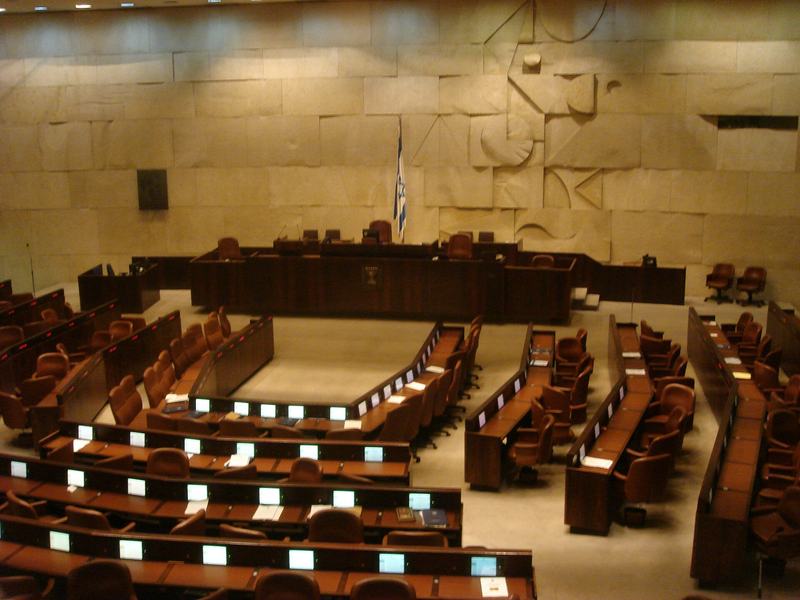
Developing story. Details may change as more information is confirmed.
Israel woke up on Wednesday without a clear election winner. Partial results from the Central Elections Committee, with about 84% of ballot boxes counted, gave Prime Minister Benjamin Netanyahu's bloc 54 seats in the 120-seat Knesset and the bloc led by former military chief Gadi Eisenkot 49. Arab-led parties had 17. A majority takes 61.
Netanyahu's Likud remained the largest single party. Overnight, early exit polls had suggested a narrow edge for the opposition, but the count has since shifted slightly in Netanyahu's favour.
The figures are not final. Ballots cast in so-called double envelopes, including those of soldiers, are counted later and can move a seat or two, and small parties near the 3.25% threshold could still get in or drop out.
Turnout was the highest in more than 25 years. It was Israel's first general election since the Hamas attack of October 7, 2023, and the war that followed.
On these numbers, the anti-Netanyahu parties could only reach a majority with support from Arab-led parties, an option most of them ruled out during the campaign. That points to weeks of negotiations, with Netanyahu staying on as caretaker prime minister in the meantime.
This story is developing as the count continues.
This summary is original reporting by tehworldnews, written after checking the facts against several major international news outlets and official statements.