
Trump calls Iran war 'militarily effectively over'
After meeting Qatar's prime minister, Trump said the war with Iran is militarily over but the U.S. naval blockade will stay for now. Iranian officials dismissed his remarks.
Developing story. Details may change as more information is confirmed.
President Donald Trump said Monday that he believes the war with Iran is, in his words, "militarily effectively over," one of his strongest signals yet that he is moving away from threats to resume large-scale U.S. strikes.
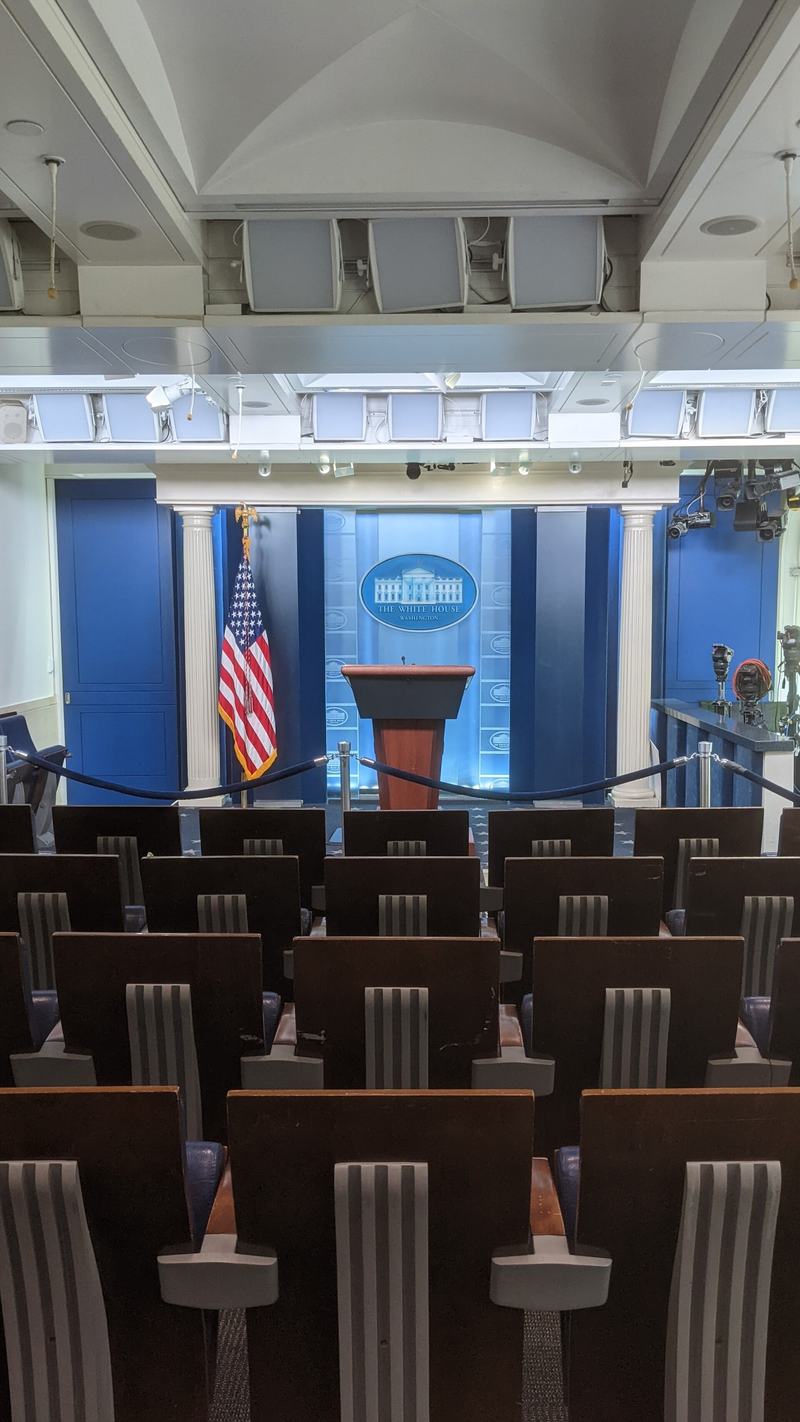
Trump made the remarks during a surprise appearance in the White House briefing room after a closed-door meeting with Qatar's prime minister and foreign minister, Sheikh Mohammed bin Abdulrahman bin Jassim Al Thani. Qatar has been one of the main go-betweens in talks between Washington and Tehran. The prime minister said afterward that the two sides had positive discussions about reaching a deal.
Trump said the United States would keep what he called the status quo, including its naval blockade of Iranian ports and a newly launched effort to choke off Iran's land and Caspian Sea trade routes. He said Gulf neighbors including Qatar, Saudi Arabia and the United Arab Emirates prefer that approach for now. He added that military action "doesn't seem to be a very necessary thing" but that U.S. forces remain ready if circumstances change, and he predicted the conflict would end fairly soon.
Iranian officials were dismissive. A senior Iranian security official accused Washington of inventing talk of negotiations, while President Masoud Pezeshkian said Iran remains open to talks but will not give in to pressure.
The war began on Feb. 28, when the United States and Israel launched strikes on Iran. Fighting has since become sporadic, but the conflict has disrupted shipping through the Strait of Hormuz and weighed on voters ahead of last week's midterm elections. This story is developing.
This summary is original reporting by tehworldnews, written after checking the facts against several major international news outlets and official statements.