
States get six more months on Medicaid work rule
The Trump administration will let states take an optional six-month grace period, through June 30, 2027, before removing people from Medicaid for not meeting the new work requirement.
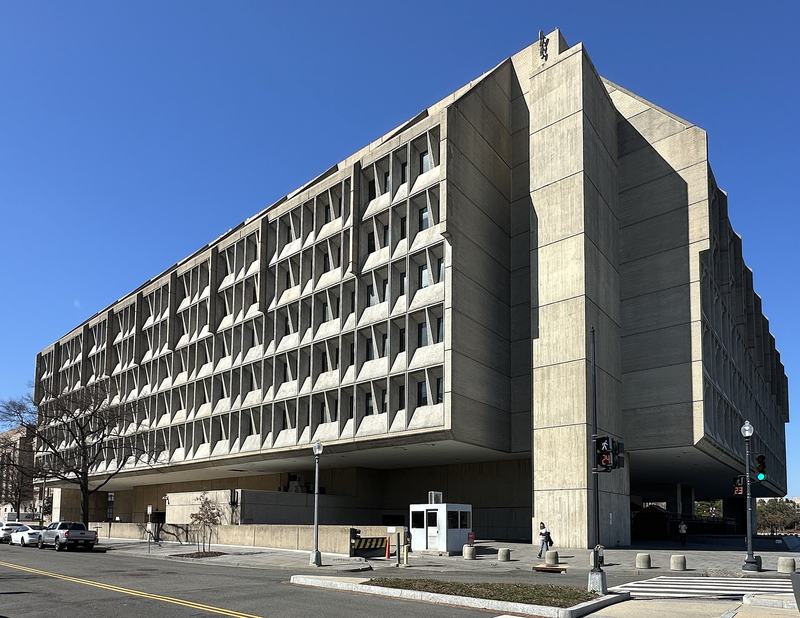
The federal Centers for Medicare & Medicaid Services said Friday that states may delay enforcing Medicaid's new work requirement for six months, giving them until June 30, 2027, before they must deny coverage to people who do not comply.
The requirement, part of the tax and spending law Republicans passed last year, takes effect Jan. 1. It requires many adults who gained coverage through the Medicaid expansion to show they are working, volunteering or in school for a set number of hours each month, unless they qualify for an exemption.
Under the new "hold harmless" period, states can begin checking whether people meet the rules and qualify for exemptions without cutting anyone off or rejecting applications for that reason. Officials said the extra time is meant to help states strengthen their computer systems and improve the experience for enrollees. States that want the grace period must notify the agency by Dec. 11.
The delay is optional, and states may still start enforcing the requirement in January.
Health policy experts have warned that work requirements could cause many eligible people to lose coverage because of paperwork problems. Supporters say the rule encourages work.
This summary is original reporting by tehworldnews, written after checking the facts against several major international news outlets and official statements.