
Army blows up toxic explosives in Iowa
The Army destroyed nearly five tons of degraded lead azide in a controlled blast at an Iowa ammunition plant. Officials say early air monitoring found no airborne lead; ground sampling results are pending.
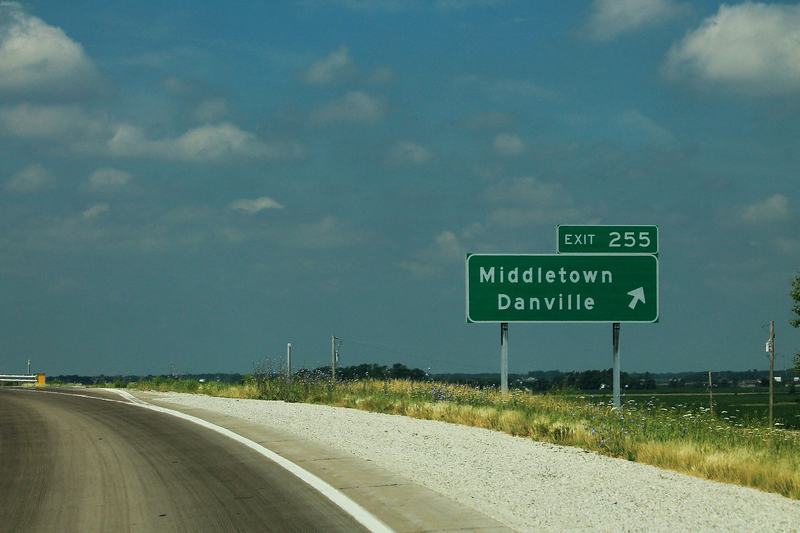
The U.S. Army on Wednesday carried out a controlled detonation of nearly five tons of lead azide at the Iowa Army Ammunition Plant near Middletown, ending weeks of legal fights and public alarm over the plan.
The explosive compound had been stored for about two decades and had degraded, making it more likely to go off accidentally from friction or movement, according to officials. A federal appeals court earlier this week declined to block the blast, which environmental groups had challenged over fears that lead dust could spread across nearby communities, farmland and rivers.
Smoke rose over the plant shortly after the 9 a.m. local-time blast. Acting Army Secretary Adam Telle called it a huge success, and the Army later said all of the material had been destroyed and that an all-clear had been issued around the plant. EPA Administrator Lee Zeldin said the agency's air monitors detected no airborne lead in the hours after the detonation.
Ahead of the blast, Iowa Gov. Kim Reynolds declared a disaster emergency in three counties, and residents in a zone downwind of the plant were urged to leave. Surface, soil and dust sampling is still underway, and officials said results will be released when complete. Some independent scientists said they are running their own tests, because no level of lead exposure is considered safe, especially for children and pregnant women.
This summary is original reporting by tehworldnews, written after checking the facts against several major international news outlets and official statements.