
New Zealand vote ends in a deadlock
New Zealand's final election count left both the governing bloc and the opposition with 65 seats, one short of a majority, making the centrist Opportunity party pivotal.
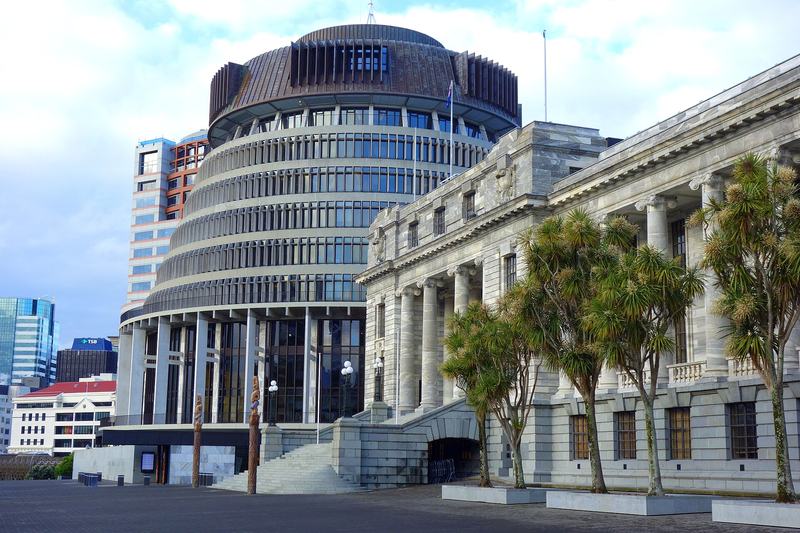
New Zealand's official election results have left its Parliament evenly split, opening the way for difficult negotiations and possibly even a new election.
Final figures published on Friday showed Prime Minister Christopher Luxon's conservative coalition of National, ACT and New Zealand First with 65 seats. That is exactly the same number held by Labour, the Greens, Te Pāti Māori and the new centrist Opportunity party combined. Because of extra overhang seats, the next Parliament will have 130 members, so 66 are needed for a majority.
The coalition had led by 67 seats to 64 on election night, Nov. 7, but special votes and a full recount of ordinary ballots moved several seats. Some electorate races were decided by fewer than 200 votes, and recounts could still change the numbers.
That puts Opportunity, which won seven seats in its first time in Parliament, in a powerful position. Labour leader Chris Hipkins has no clear path to power, so the most likely option is for Opportunity to support or abstain for Luxon's government in exchange for policy concessions. The party's leader, Qiulae Wong, has set out several bottom lines and has not ruled out sending voters back to the polls if talks fail.
Luxon said he expected challenging negotiations. The current government remains in caretaker mode until a new one is formed, and Parliament must meet by Jan. 14.
This summary is original reporting by tehworldnews, written after checking the facts against several major international news outlets and official statements.