
Final count leaves Israel with no majority
Neither Benjamin Netanyahu's bloc nor Gadi Eisenkot's opposition reached the 61 seats needed to govern, with Arab-led parties winning a record 19.
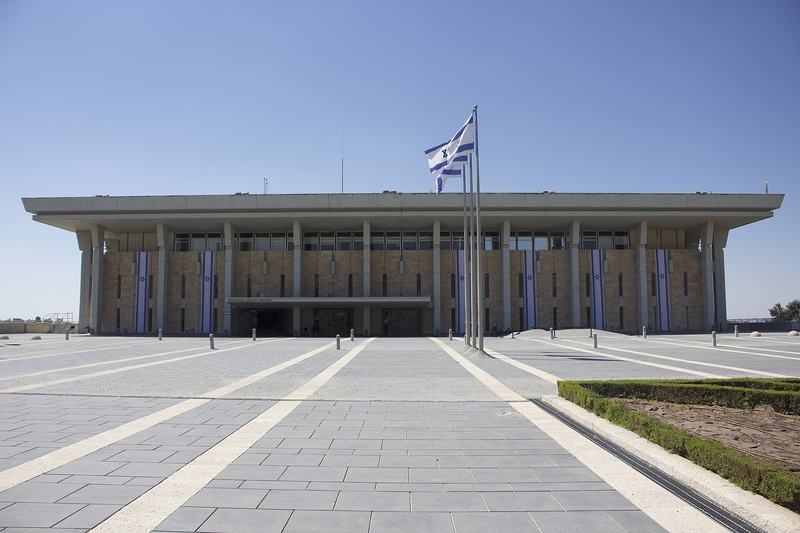
Israel's Central Elections Committee has finished counting the votes from Tuesday's parliamentary election, and neither main bloc has the 61 seats needed for a majority in the 120-seat Knesset. Prime Minister Benjamin Netanyahu's bloc won 53 seats, down from 64 in 2022. The opposition bloc led by former military chief Gadi Eisenkot won 48.
Arab-led parties Ra'am and the Joint List won a combined 19 seats, their best result ever, which leaves them in a pivotal position. Most parties in Eisenkot's bloc have said they will not rely on Arab-led parties to form a government, and Eisenkot has said neither party meets his conditions for a partnership.
Netanyahu's Likud party has alleged, without offering evidence, that foreign interference shaped the result. The committee's chair asked the Shin Bet security service to look into suspicions of improper foreign funding, while saying he could not vouch for them. Qatar, accused of trying to mobilize Arab voters, has denied any interference.
The results are due to be certified and delivered to President Isaac Herzog next Wednesday. Herzog will then consult the parties and choose a leader to try to build a coalition, a process that can take weeks. If no one succeeds, Israel could face another election, with Netanyahu staying on as caretaker in the meantime.
This summary is original reporting by tehworldnews, written after checking the facts against several major international news outlets and official statements.