
Senate passes sweeping permitting overhaul
The Senate voted 62–33 on Thursday night to pass a bipartisan bill meant to speed up permits for energy projects and power lines. The measure now goes to the House.
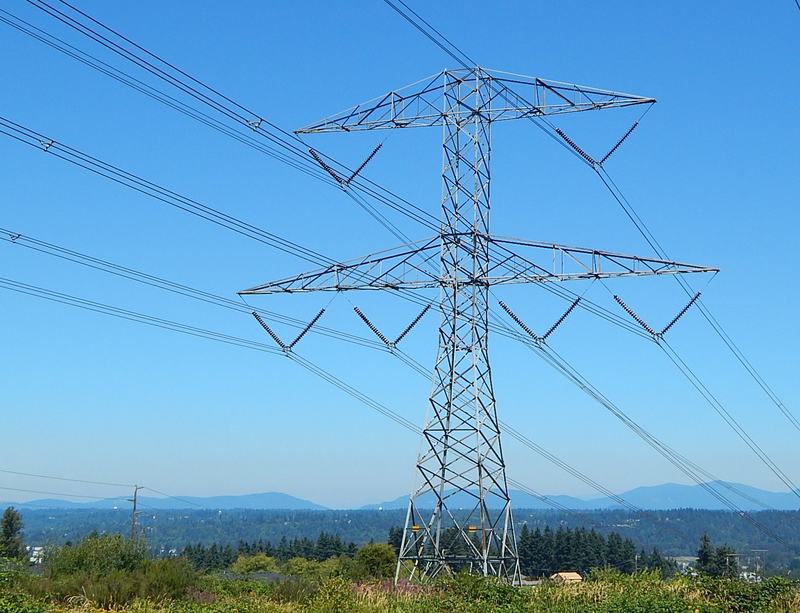
The Senate on Thursday night passed one of the biggest changes in years to how the federal government approves energy and infrastructure projects.
The bill, called the Bipartisan American Affordability and Jobs Act, passed 62 to 33. Fifteen Democrats and independents joined most Republicans in voting yes, while two Republicans, Josh Hawley of Missouri and Mike Rounds of South Dakota, voted no.
Supporters say the measure will cut the time it takes to get federal permits for projects such as power plants and long-distance transmission lines, which can take many years. Backers argue that building more power lines is key to keeping up with rising electricity demand, much of it driven by new data centers for artificial intelligence.
The bill also tells federal energy regulators to make large data centers pay their share of grid costs and the upgrades they require, instead of passing those costs on to households. Lawmakers who wrote the bill say this will help lower utility bills. Critics dispute how much the bill will actually help consumers.
The legislation has been backed by energy and technology companies. It now heads to the House, which must approve the Senate's version before it can go to President Trump. House leaders hope to pass it before the current session of Congress ends, but it is not clear the votes are there.
This summary is original reporting by tehworldnews, written after checking the facts against several major international news outlets and official statements.