
UN court finds Myanmar committed genocide
The International Court of Justice ruled 9–6 that Myanmar committed genocide against its Rohingya minority in 2017, the first time the court has found a state responsible for genocide. Myanmar rejected the ruling.
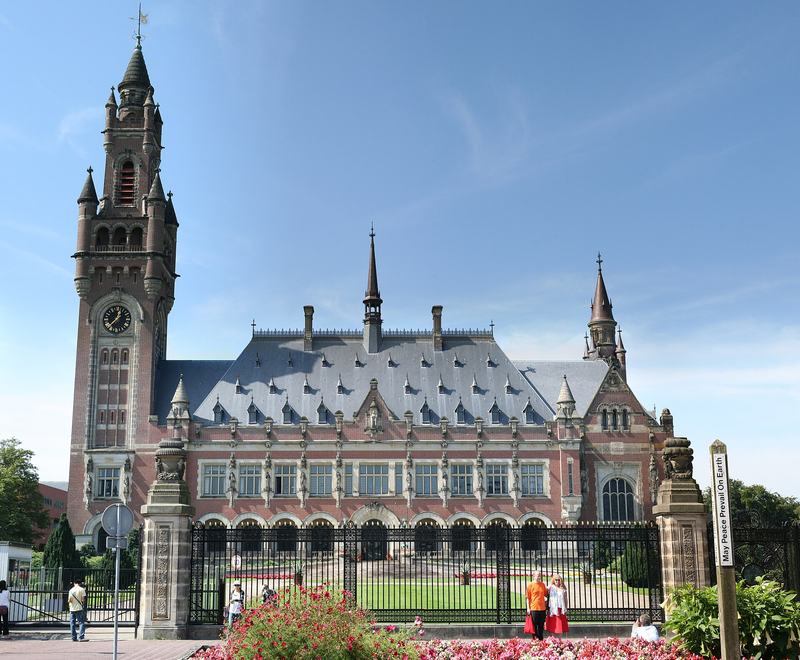
The United Nations' top court ruled on Thursday that Myanmar committed genocide against the Rohingya, a mostly Muslim minority group, during a military crackdown in 2017.
It is the first time the International Court of Justice has found a country responsible for genocide under the 1948 Genocide Convention. The judges reached the decision by a vote of nine to six.
Reading the ruling in The Hague, court President Yuji Iwasawa said Myanmar's forces acted with the intention to destroy a substantial part of the Rohingya group and had extensively destroyed evidence. The court said genocidal intent was the only reasonable conclusion from the evidence.
The 2017 operations in Rakhine State killed thousands of Rohingya and forced more than 700,000 to flee to neighboring Bangladesh, where about a million refugees now live in crowded camps. Myanmar has denied genocide, saying its forces were responding to attacks by Rohingya militants.
The court also ordered Myanmar to make amends, including helping the Rohingya return safely and voluntarily to their homes and restoring or replacing lost property.
The case was brought by The Gambia, which called the ruling a historic day for international justice. On Friday, a spokeswoman for Myanmar's government called the decision unfair because it was not unanimous. The court has no police force of its own, so enforcing the ruling will depend on pressure from other countries and the UN.
This summary is original reporting by tehworldnews, written after checking the facts against several major international news outlets and official statements.